

Seborrhoeic Keratosis Removal
Safely lifting and clearing crusty, raised, or dark skin growths from the face and body. Located in Ranelagh, Dublin 6, our specialised clinic utilizes advanced diathermy to precisely remove Seborrhoeic Keratoses, restoring a completely smooth, fresh complexion.
What Are Seborrhoeic Keratoses?
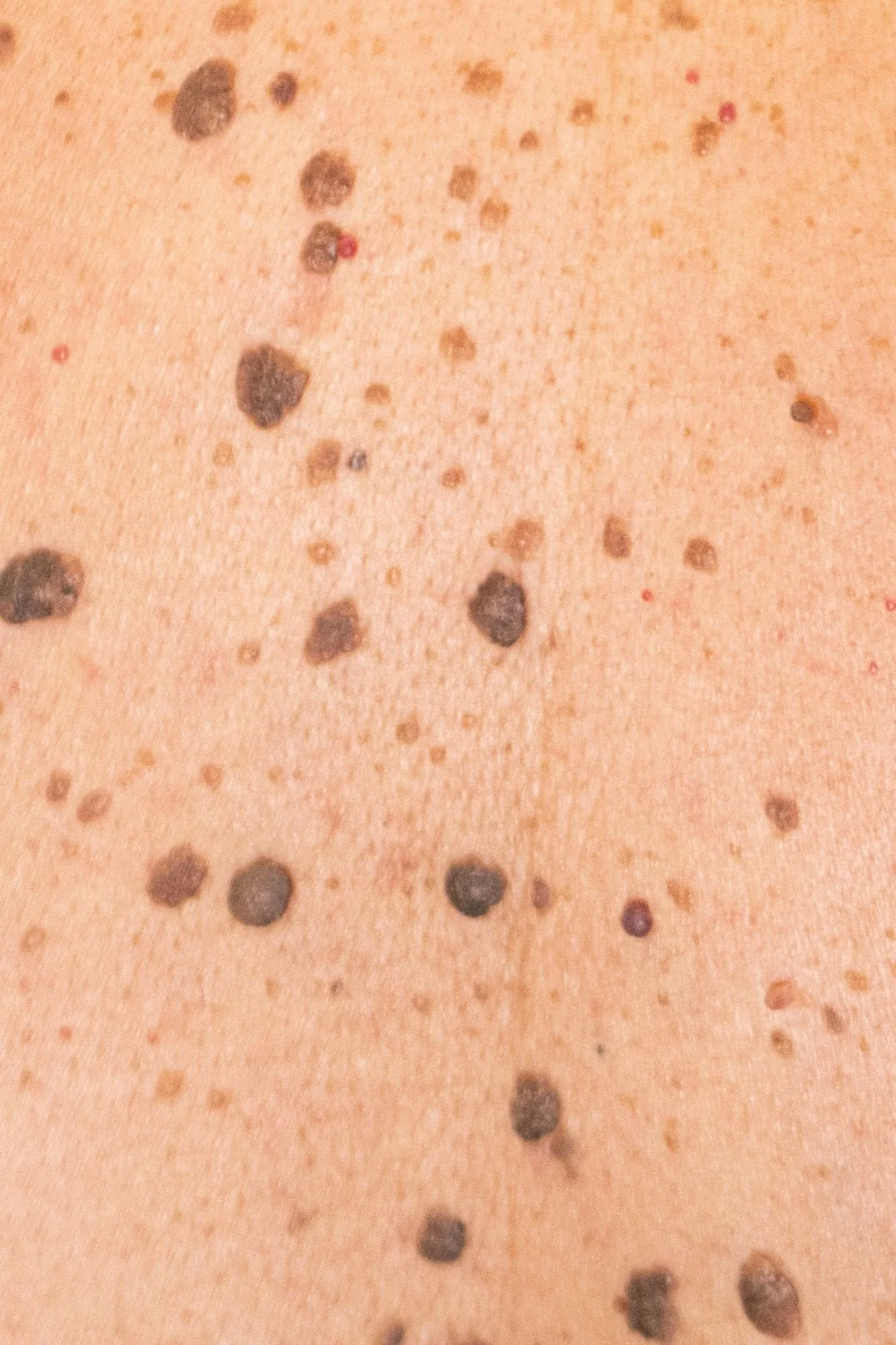

Feeling It? Picking It? Just Get Rid Of It
Despite the rather unflattering nickname "Senile Warts," these common skin growths have absolutely nothing to do with ageing of the mind, and they are not warts either. Seborrhoeic Keratosis are simply a entirely benign build-up of epidermal skin cells that have accumulated in one spot over time. They are one of the most common skin concerns I see at our Dublin 6 clinic, particularly in clients over 40.
They vary wildly in appearance, from pale, flat, and barely noticeable to dark brown or even black, ranging anywhere from a few millimetres to several centimetres across. Newer ones are typically skin-coloured and sit loosely on the surface, while older ones tend to look darker, thicker, and more anchored. They can appear almost anywhere—including the scalp, face, neck, arms, and legs—but they most commonly cluster on the back, torso, and across the décolleté. The good news? They respond exceptionally well to treatment, revealing beautifully fresh, healthy skin underneath.
How Are Seborrhoeic Keratoses Removed?
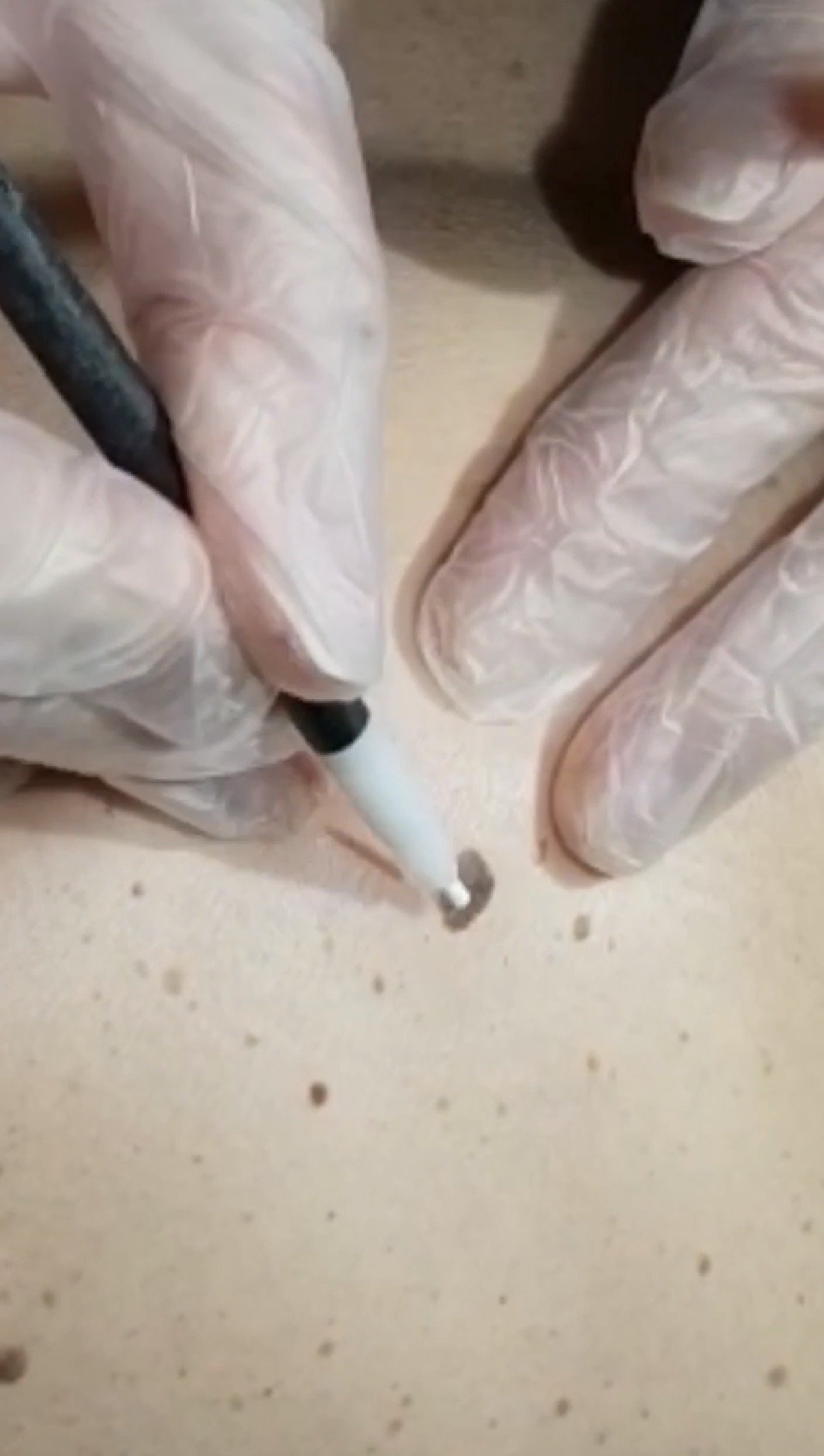

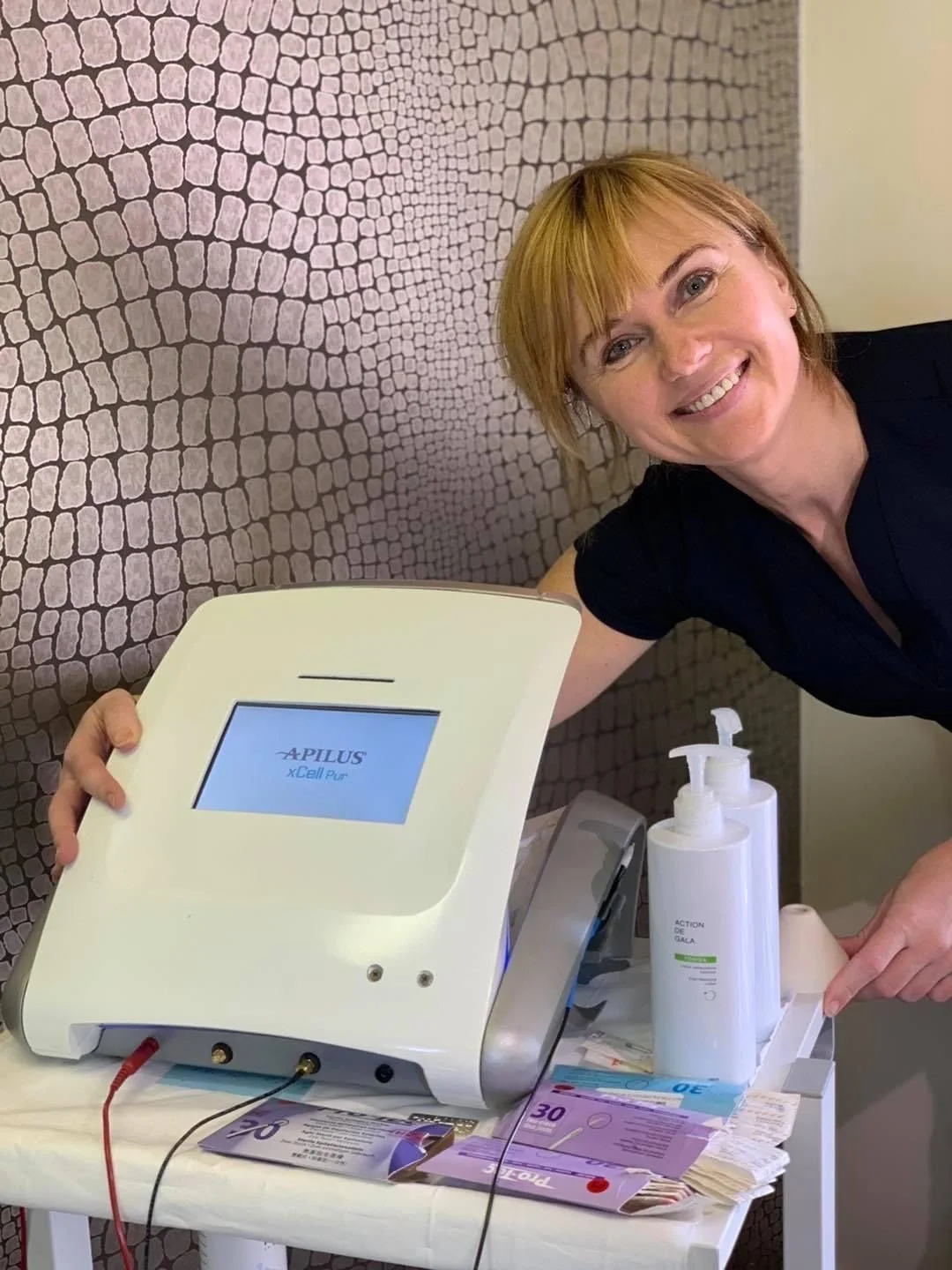
Seborrhoeic Keratosis removal is a straightforward, highly effective, and deeply satisfying procedure performed daily at our Ranelagh clinic. To safely clear these growths without damaging the healthy surrounding skin tissue, I utilise Advanced Electrolysis. Treatment is carried out using a specialised, super-fine, blunt-tipped probe no wider than an eyelash. This instrument delivers a highly precise, controlled current of heat directly to the base of the growth. This thermal energy gently cauterizes the attachment point and co-agulates the tissue, allowing me to carefully lift the keratosis away from the skin. Newer, more superficial lesions often come away cleanly in seconds, while older, thicker, or more established growths lift off seamlessly in one piece.
How Much Does Seborrhoeic Keratosis Removal Cost?
Because Seborrhoeic Keratoses frequently develop in large numbers or multiple clusters across the back, chest, and neck, we do not charge you per individual growth. Instead, we structure our pricing strictly by the length of the treatment session. This time-based approach allows us to methodically lift and clear as many growths as safely possible within your booked time slot, providing a highly cost-effective full clear-out.
Consultation & Seborrhoeic Keratosis Removal (30-50 Blemishes depending size): €85 (15 mins)
Consultation & Seborrhoeic Keratosis Removal (over 50 Blemishes depending size): €150 (30 mins)
Feeling rough? Erase it. In Minutes.
What Results Can You Expect?
Because Seborrhoeic Keratoses sit proud on top of the skin's surface, the textural relief is immediate. Once the growth is lifted away, the clock is instantly turned back on that patch of skin:
Immediate Post-Treatment: The raised, crusty, or dark texture is entirely gone. The treated area will look completely flat and slightly lighter or pinkish.
Days 1–3: Small, flat protective scabs or dry micro-crusts will naturally form over the treated sites. This is a healthy, mandatory part of your skin’s natural healing process.
Days 7–10: These tiny crusts naturally flake away on their own. You must never pick or scratch them. Once they drop, they reveal beautifully fresh, smooth, and completely rejuvenated skin.
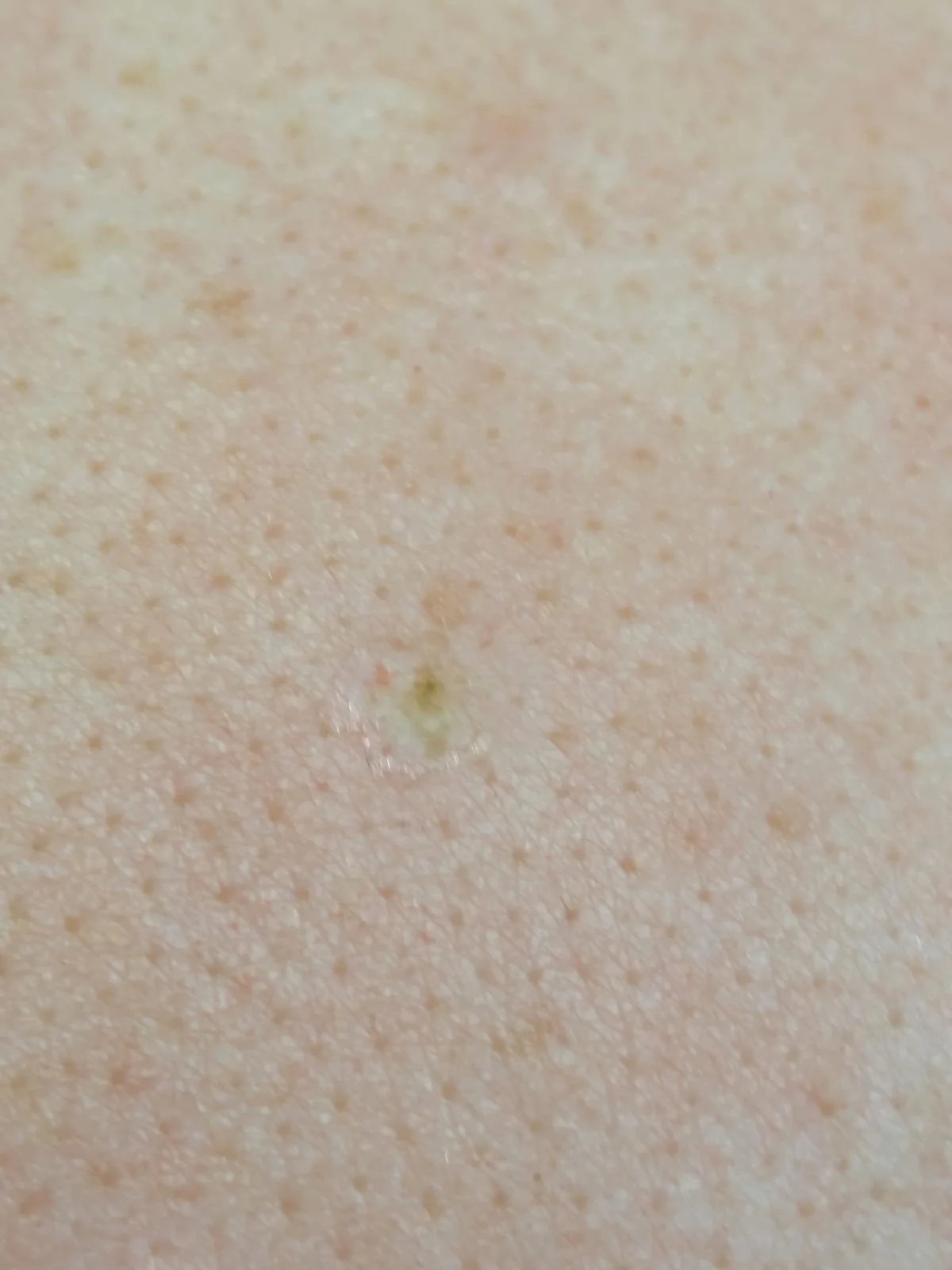
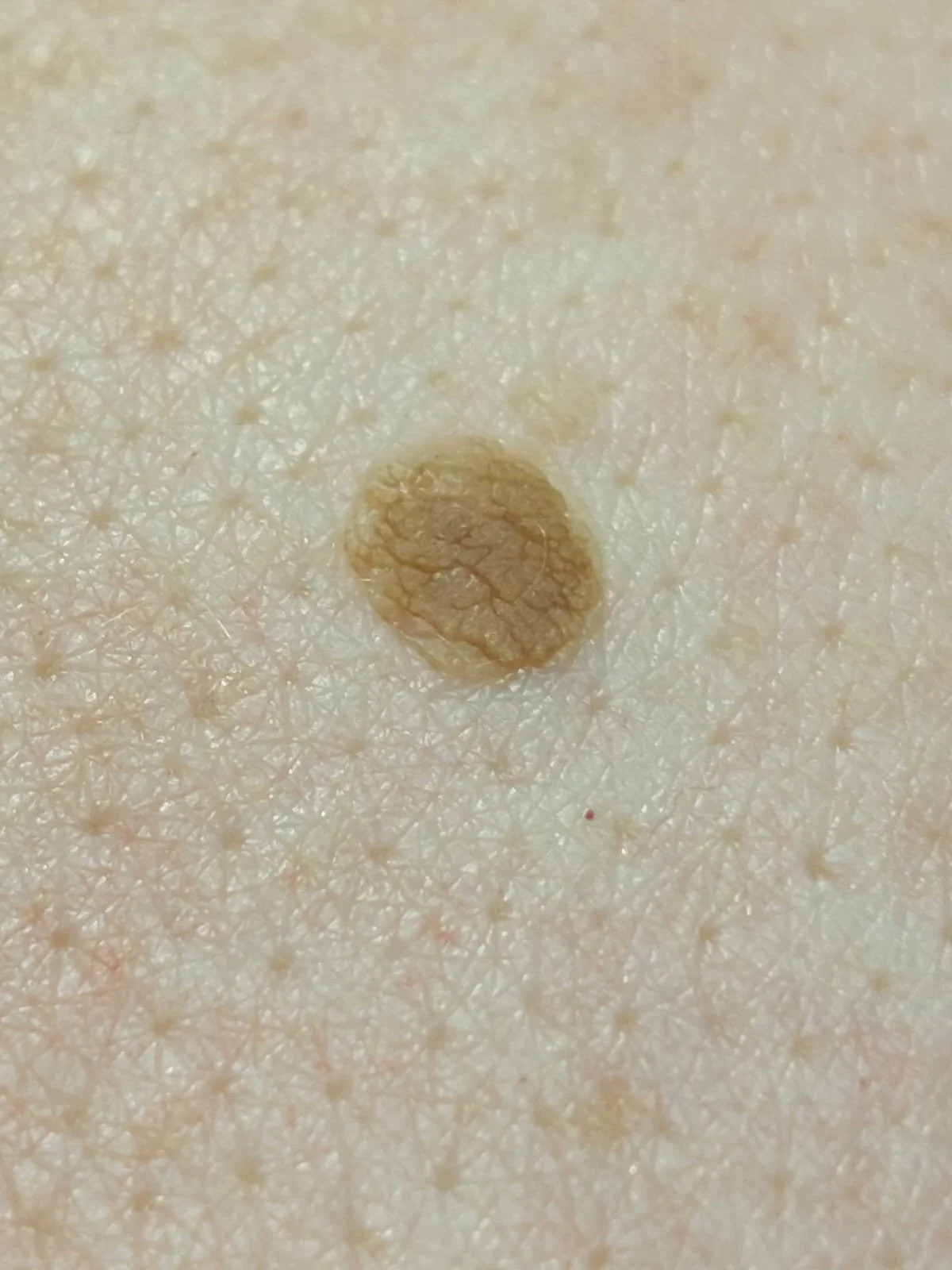
BEFORE
AFTER
Preparing for your Appointment & Aftercare
Pre-Treatment Pep
Arrive Clean: Ensure the target areas of the face, neck, or body are completely free of heavy body creams, perfume, fake tan, or makeup.
Wear Loose Clothing: If we are treating large clusters on your back, torso, or under the breasts, wear soft, loose clothing to prevent friction immediately after the session.
Check Your Triggers: If you have caught a growth on jewelry and it is actively bleeding or inflamed, allow it to settle for a week or two before booking.
Post-Treatment Aftercare
Strictly Hands Off: Do not pick, scratch, or force the healing scabs or fragments off the skin. Let them drop naturally within 7–10 days to ensure crisp, flawless healing.
Keep Things Cool: Avoid hot baths, intense saunas, steam rooms, and sweaty gym workouts for 48 hours to protect the raw, healing epidermal tissue.
Gently Cleanse: Pat the area dry gently after showering—do not rub it with a harsh towel. Avoid applying harsh chemical exfoliants or retinols to the treated zones for 7 days.
Will The Seborrhoeic Keratosis Come Back?
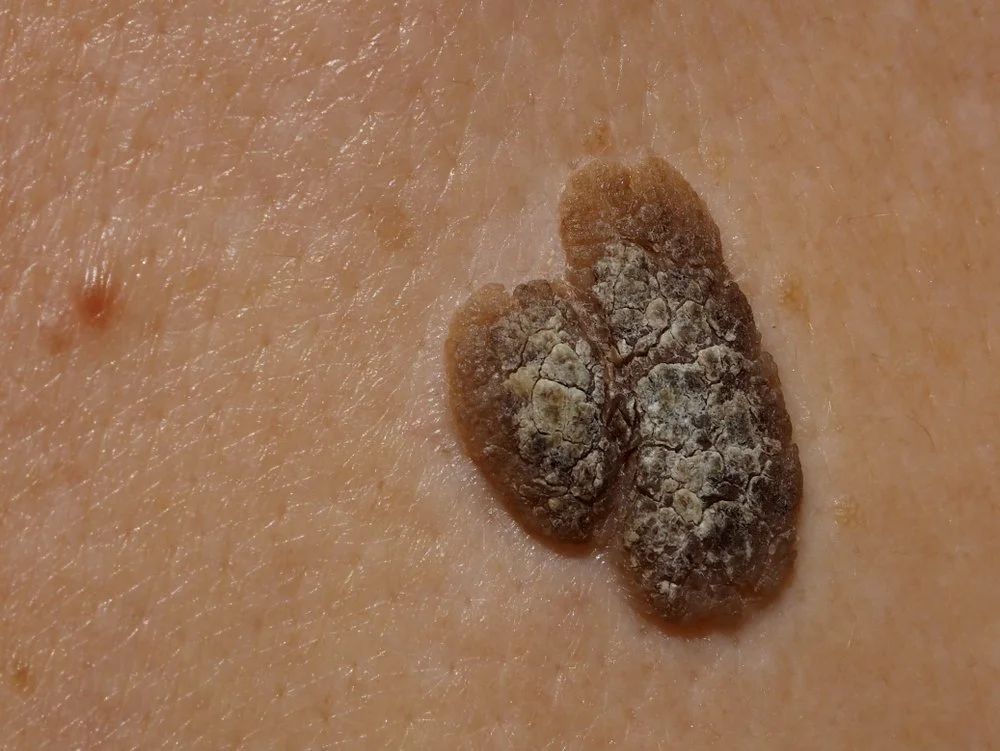
Once a specific Seborrhoeic Keratosis has been thermally lifted and removed down to its base using advanced diathermy, that individual growth is gone for good and will not return.
However, because the underlying causes are systemic—rooted in genetics and your skin's natural growth patterns—treatment cannot stop your body from producing entirely new lesions in surrounding areas as time goes on. To manage this effectively, many of our clients simply pop into the clinic every year or two for a quick maintenance session to clear any new developments, keeping their skin consistently smooth and clear year-round.
Ready for Smooth, Clear Skin?
"Clients are genuinely amazed at how much younger, smoother, and clearer their skin looks once a cluster of Seborrhoeic Keratosis has been cleared away. There is absolutely no reason to live with growths that itch, look unsightly, or constantly catch painfully on your clothing and jewellery. During your session here in Ranelagh, we can easily target multiple spots and hit the reset button on your skin confidence." — Stella, Skin Specialist
Frequently Asked Seborrhoeic Keratosis Removal Questions
-
Absolutely not. While they can look a bit like warts at a glance, true warts are caused by a virus (HPV) and are highly infectious. Seborrhoeic Keratoses are entirely non-viral, completely non-infectious, and cannot spread from person to person. They are simply a localized buildup of normal skin cells.
-
While there is a strong hereditary link (they often run in families), their sudden development or spreading is frequently tied to times when the body's natural defenses are busy or compromised. It is incredibly common for women to notice them multiplying during or right after pregnancy, following a heavy course of antibiotics, or after a prolonged period of physical illness.
-
Because these growths sit proudly on top of the skin, catching them is very common. They can itch, get irritated, bleed, or lose small fragments when knocked. While any temporary inflammation will usually settle down on its own within a few weeks, removing them completely is the best way to stop the ongoing cycle of irritation.